
Safety begins before the work starts.
Prepared employees, disciplined operations, clear communication, and public awareness are essential to protecting people and keeping the railroad moving safely.
Safe railroad operations depend on every person involved.
Safety is a condition of employment, a requirement for contractors and vendors, and a responsibility shared with customers, emergency responders, and the public.
Across LA&L, B&H, WNYP, and Ontario Midland, employees are expected to prepare carefully, follow established procedures, communicate concerns, and stop work when conditions are not understood or safe.
Safety is part of every department and every decision.
The Safety, Security and Environmental Committee brings together representatives from operating departments, including Transportation, Mechanical, Maintenance of Way, and Communications & Signal.
That cross-functional structure helps identify concerns, review incidents and near misses, coordinate training, and advance practical improvements across the railroad family.
Clear expectations for everyone working on or near the railroad.
Training requirements vary by role, task, location, and access to railroad property.
Employees
Job-specific qualification, operating rules, recurring instruction, safety meetings, and continuing development support safe day-to-day railroad work.
Contractors & Vendors
Third parties must complete required orientation, coordinate access, understand protection requirements, and comply with railroad safety rules before beginning work.
Visitors & Customers
Visitors must receive authorization and follow escort, personal protective equipment, photography, and access requirements while on railroad property.
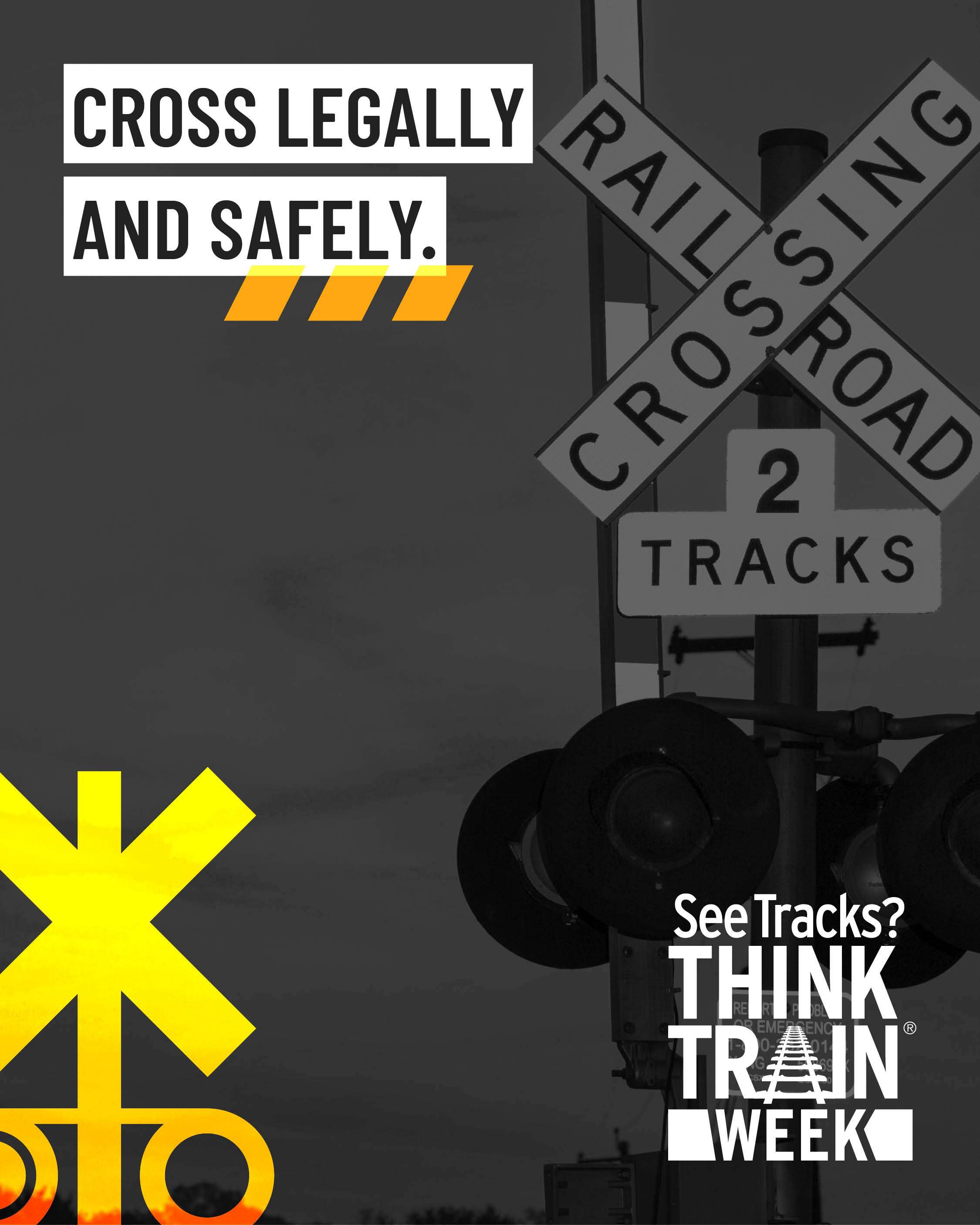
Always expect a train.
Freight trains do not operate on public schedules. Trains may move on any track, at any time, in either direction. Tracks, bridges, yards, and railroad equipment are private property.
A vehicle is stuck on the tracks. What should you do?
Get everyone out immediately—even if no train is visible. Move away from the tracks, find the blue-and-white Emergency Notification System sign, and report the crossing identification number.
Information for contractors, visitors, customers, and the public.
See a concern or need help planning work near the railroad?
Contact LA&L before entering railroad property, beginning third-party work, scheduling a public presentation, or addressing a safety concern.